


Aaradhya Power Solar Systems

Table of Contents
Why Solar Energy Matters Now
Ever wondered how Aaradhya Power solar systems became the talk of renewable energy circles? With global electricity demand projected to jump 49% by 2050 (EIA data), the pressure's mounting for sustainable solutions that won't break the bank. Solar isn't just some eco-fad anymore – it's becoming the backbone of national energy strategies.
Here's the kicker: While solar panel costs dropped 82% since 2010, storage remains the sticking point. That's where Aaradhya Power's solutions come into play, particularly in sun-drenched markets like India where 300+ sunny days annually make solar a no-brainer. Their hybrid inverters cleverly manage energy flow between panels, batteries, and the grid – sort of like a traffic cop for electrons.
The Battery Breakthrough You Haven't Heard About
Most manufacturers still use standard lithium-ion configurations, but Aaradhya's thermal management system extends battery life by 40%. How? Through phase-change materials that absorb heat during peak operation. A village in Rajasthan where their 10kW systems maintained 94% efficiency during last summer's 47°C heatwave.
Scaling Solar Without the Growing Pains
Let's face it – going solar can feel overwhelming for businesses. Aaradhya Power solar installations tackle three core pain points:
- Grid dependency reduction (their microgrid solutions cut reliance by 80%)
- Peak shaving algorithms that predict energy patterns
- Modular designs allowing gradual capacity expansion
Their secret sauce? A proprietary monitoring platform that gives real-time insights – kind of like a Fitbit for your power consumption. Commercial users in Maharashtra reported 22% lower energy costs within six months of installation.
India's Solar Revolution: Beyond the Megacities
While Delhi and Mumbai grab headlines, the real action's in secondary cities. Take Coimbatore – this textile hub adopted Aaradhya's industrial solutions to dodge power cuts during crucial production cycles. The result? 18% higher output during peak demand periods last quarter.
Rooftop Revolution in Numbers
India's rooftop solar capacity hit 10.4 GW in March 2024, with Aaradhya solar systems powering 12% of new installations. Their plug-and-play residential kits reduced installation time from 3 weeks to just 4 days – a game-changer for time-pressed homeowners.
Your Solar Questions Answered
Q: How long until solar pays for itself?
A: Most commercial users break even in 3-5 years – quicker with government incentives.
Q: Can solar work during monsoon season?
A: Modern systems like Aaradhya's store surplus energy, ensuring 24/7 power availability.
Q: What's the maintenance commitment?
A: Annual check-ups suffice – the systems self-diagnose 89% of potential issues.
Related Contents

Aaradhya Power Solar Systems
Ever wondered how Aaradhya Power solar systems became the talk of renewable energy circles? With global electricity demand projected to jump 49% by 2050 (EIA data), the pressure's mounting for sustainable solutions that won't break the bank. Solar isn't just some eco-fad anymore – it's becoming the backbone of national energy strategies.

Air Force Solar Cells Space Solar Power Systems
Let's cut to the chase - why would the Air Force care about slapping solar panels on satellites? Well, here's the kicker: orbital solar arrays could provide 24/7 energy to forward bases without fuel convoys. Imagine a Special Ops team in the Sahara getting microwave-beamed power during sandstorms. That's not sci-fi anymore.
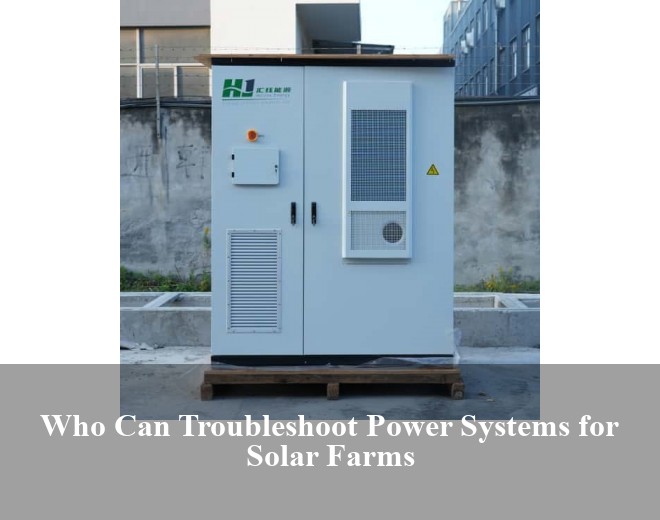
Who Can Troubleshoot Power Systems for Solar Farms
A 200MW solar farm in Texas suddenly loses 15% output on peak summer days. Technicians swap inverters, check connections, but the power systems keep acting up. Who you gonna call? Not ghostbusters – you need troubleshoot specialists who speak both electrons and economics.

Solar New Power: Revolutionizing Energy Systems Worldwide
Ever wondered why your neighbor suddenly installed solar panels last month? The answer lies in a global energy revolution that's happening faster than most predicted. Solar new power systems now generate 3.5% of global electricity, up from just 0.8% a decade ago. But here's the kicker – this growth isn't just about environmentalism anymore. It's becoming a cold, hard numbers game.

Power and Solar Systems Limited
Ever wondered why California still experiences blackouts despite having more solar panels than any U.S. state? The answer lies in energy storage gaps - the Achilles' heel of renewable systems. As nations race toward net-zero targets, companies like Power and Solar Systems Limited are redefining what's possible in solar energy integration.

 Inquiry
 Online Chat