


How to Build a Cheap Solar Power System

Table of Contents
Why Cheap Solar Matters Now
Ever wondered why your neighbor's solar panels suddenly appeared last month? With electricity prices jumping 14% in the U.S. this year alone, more people are asking: Can I really build an effective solar system without breaking the bank?
Here's the kicker – the average cost of residential solar has dropped 52% since 2010. But wait, no... actually, that's commercial pricing. For DIY setups, you could slash costs further by skipping professional installers. A basic 1kW system that powered just lights and phones in 2015 can now run a refrigerator, thanks to better battery tech.
Planning Your Budget Setup
Let's say you're in Arizona with 300 sunny days annually. Your first decision isn't about panels – it's about needs. Do you want emergency backup or full energy independence? A hybrid approach might work best.
Key components for any cheap solar system:
- 100W panels (used prices: $50-$80 each)
- Modified sine wave inverter ($150)
- Lead-acid batteries ($200 for 200Ah)
- Charge controller ($60)
The $800 DIY Blueprint
Meet Raj from Mumbai – he built a 600W system using salvaged panels from a closed factory. His total cost? ₹65,000 ($780). It powers two fans, LED lights, and charges devices for his family of four. The secret sauce? Buying local batteries instead of imported lithium-ion.
But hold on – lithium batteries last 3x longer. Should you splurge? Maybe. If you calculate the 10-year cost, lithium becomes cheaper per cycle. But upfront cash matters when building affordable solar.
No-Tool Tricks for Rookies
You don't need an engineering degree. I helped my cousin mount panels using zip ties and aluminum rails from Home Depot. Total installation time: 6 hours. Key safety tip: Never connect panels to batteries without a charge controller – I've seen three melted systems this quarter.
Ground-mounted systems can be 30% cheaper than roof setups. In Nigeria, farmers lay panels horizontally on raised platforms to avoid cattle damage. Simple, right? But tilt angles affect efficiency. A 10° mistake could mean 5% less power.
How Texas Homeowners Did It
When winter storms knocked out Austin's grid in 2023, the Martinez family stayed warm using their $1,200 DIY system. Their setup:
- 4 used 250W panels ($75 each)
- Refurbished inverter ($220)
- Second-life EV batteries ($400)
They prioritized heating over other loads – a crucial lesson in energy budgeting. During summer, their system generates surplus power for window AC units.
Q&A: Your Top Concerns
1. Can I mix old and new panels?
Yes, but connect same-voltage panels in parallel. Series connections require matching specs.
2. Will hail damage cheap panels?
Most withstand 1" ice balls. Apply automotive clear coat for extra protection.
3. How long until break-even?
With energy prices rising, DIY systems often pay back in 4-7 years now.
Related Contents

How to Build a Portable Solar Power System
Ever found yourself stranded with dead devices during a camping trip? Or maybe you've watched news reports about power outages affecting millions, like the recent grid failure in Texas that left 4 million without electricity. Portable solar systems aren't just for tech enthusiasts anymore – they're becoming essential backup power sources across regions as diverse as California's wildfire zones and Japan's typhoon-prone areas.

Build Solar Power System
Ever wondered why your neighbor installed those shiny panels last month? Well, electricity prices in the U.S. have jumped 15% since 2020, while solar panel costs dropped 52% in the same period. Building a solar power system isn't just eco-friendly anymore – it's becoming pocket-smart economics.

How to Build Your Own Solar Power System for Home
Ever wondered why your neighbor's roof suddenly looks like a sci-fi movie set? With electricity prices jumping 15% year-over-year in places like California and Germany, building your own solar power system has moved from hippie fantasy to mainstream math. The average U.S. household could save $1,500 annually – but wait, isn't the upfront cost terrifying?

Best Cheap Power Inverter for Solar System
Let’s face it – when you hear best cheap power inverter, you might picture flimsy components or sketchy warranties. But here’s the kicker: advancements in modular design and mass production have revolutionized budget solar tech. In 2023, the global market for low-cost inverters grew by 17%, with manufacturers like EcoFlow and Renogy offering 5-year warranties on sub-$500 models.
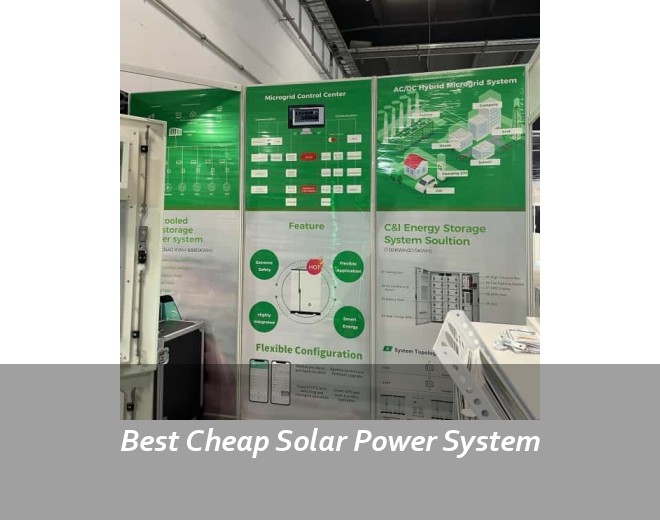
Best Cheap Solar Power System
Ever opened your electricity bill and thought, "There's gotta be a better way?" You're not alone. With energy prices jumping 14% in the U.S. last year alone, more households are asking: Can a cheap solar power system actually work? The answer's a resounding yes - if you know how to navigate the market.

 Inquiry
 Online Chat